How Many Suns Fit Inside a Black Hole?
Plays from YouTube (privacy-enhanced mode).
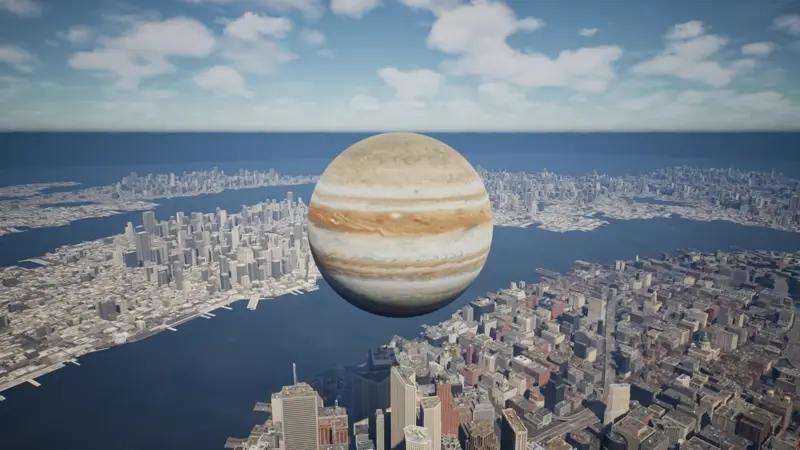
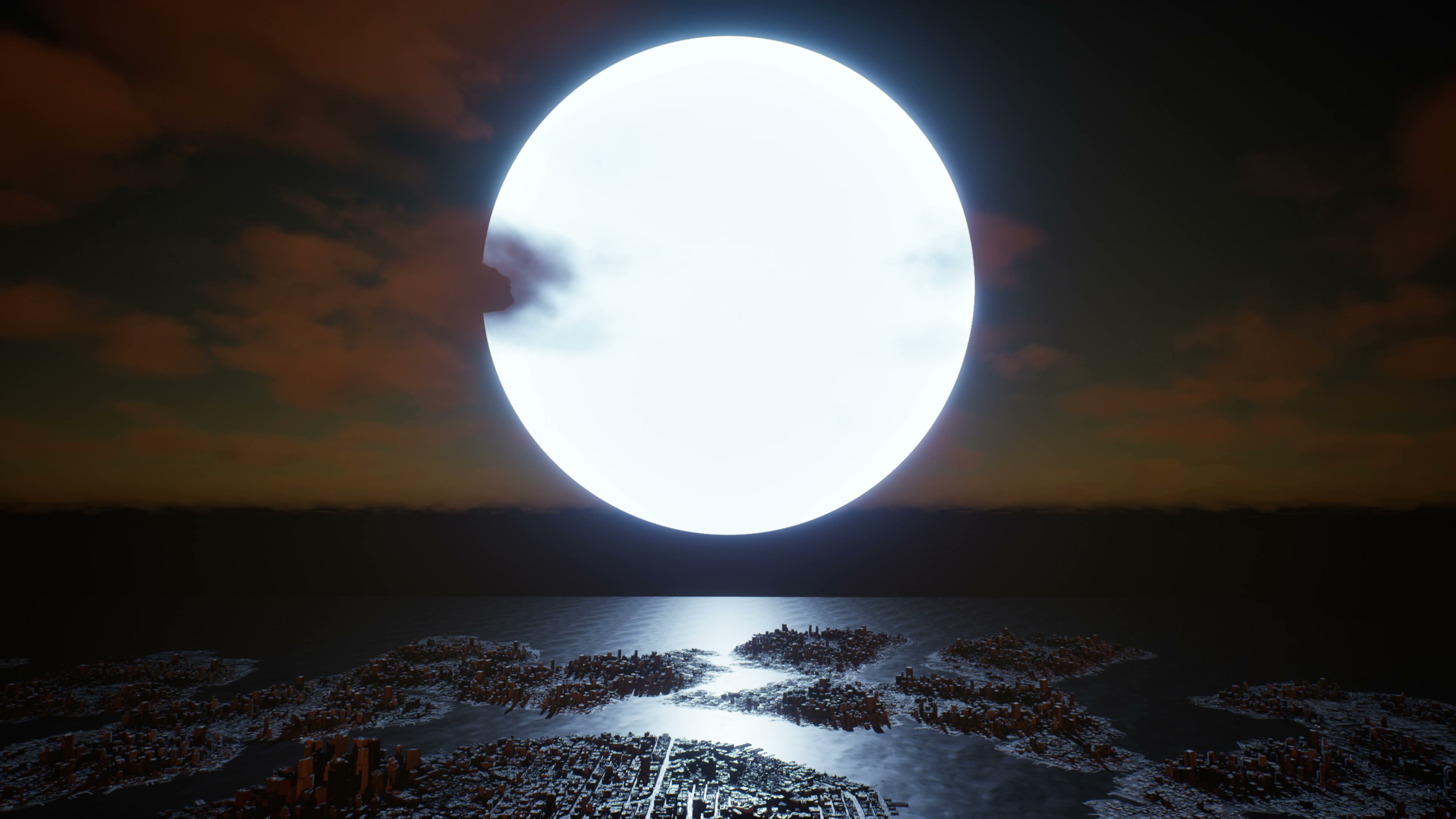
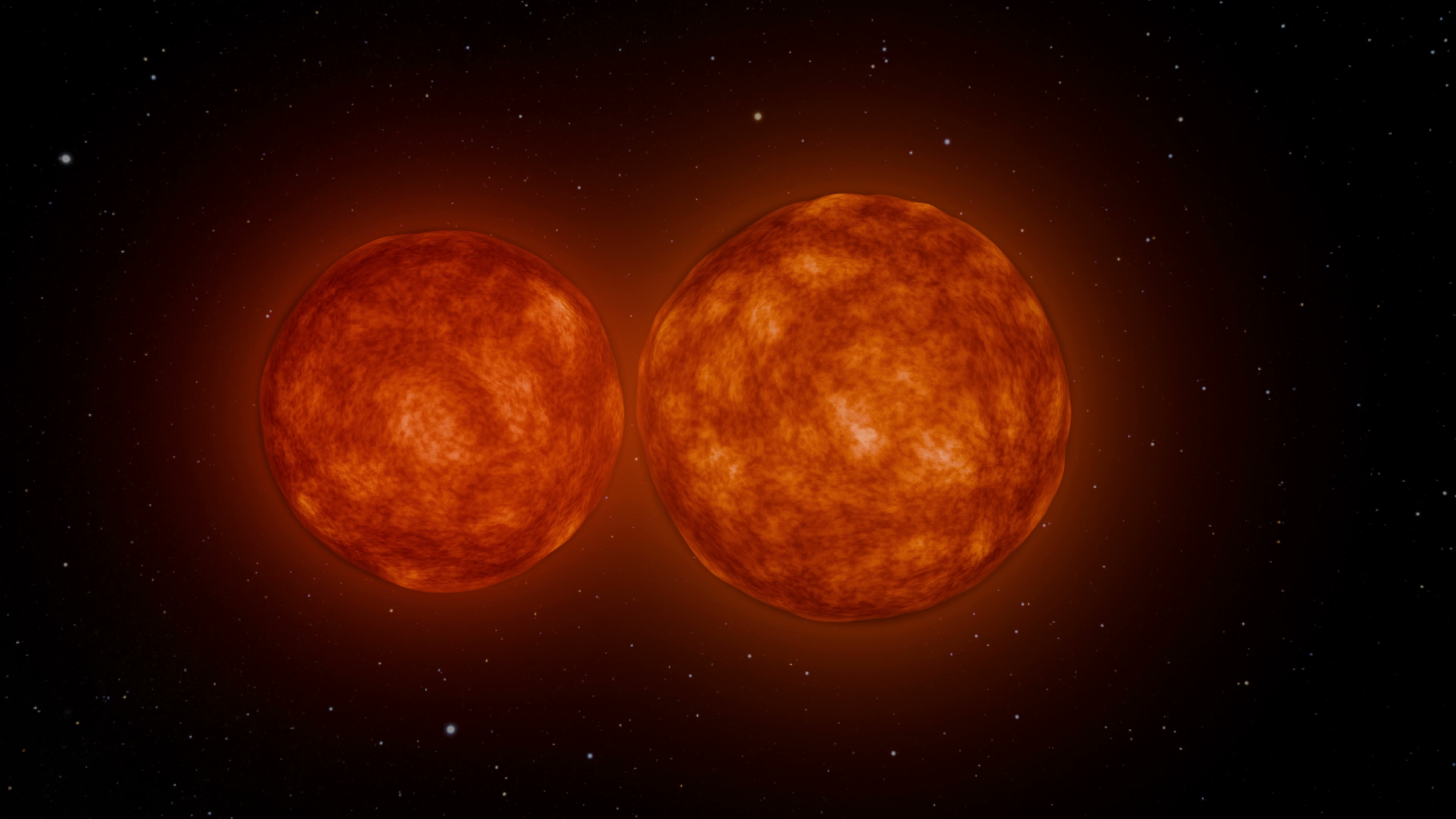
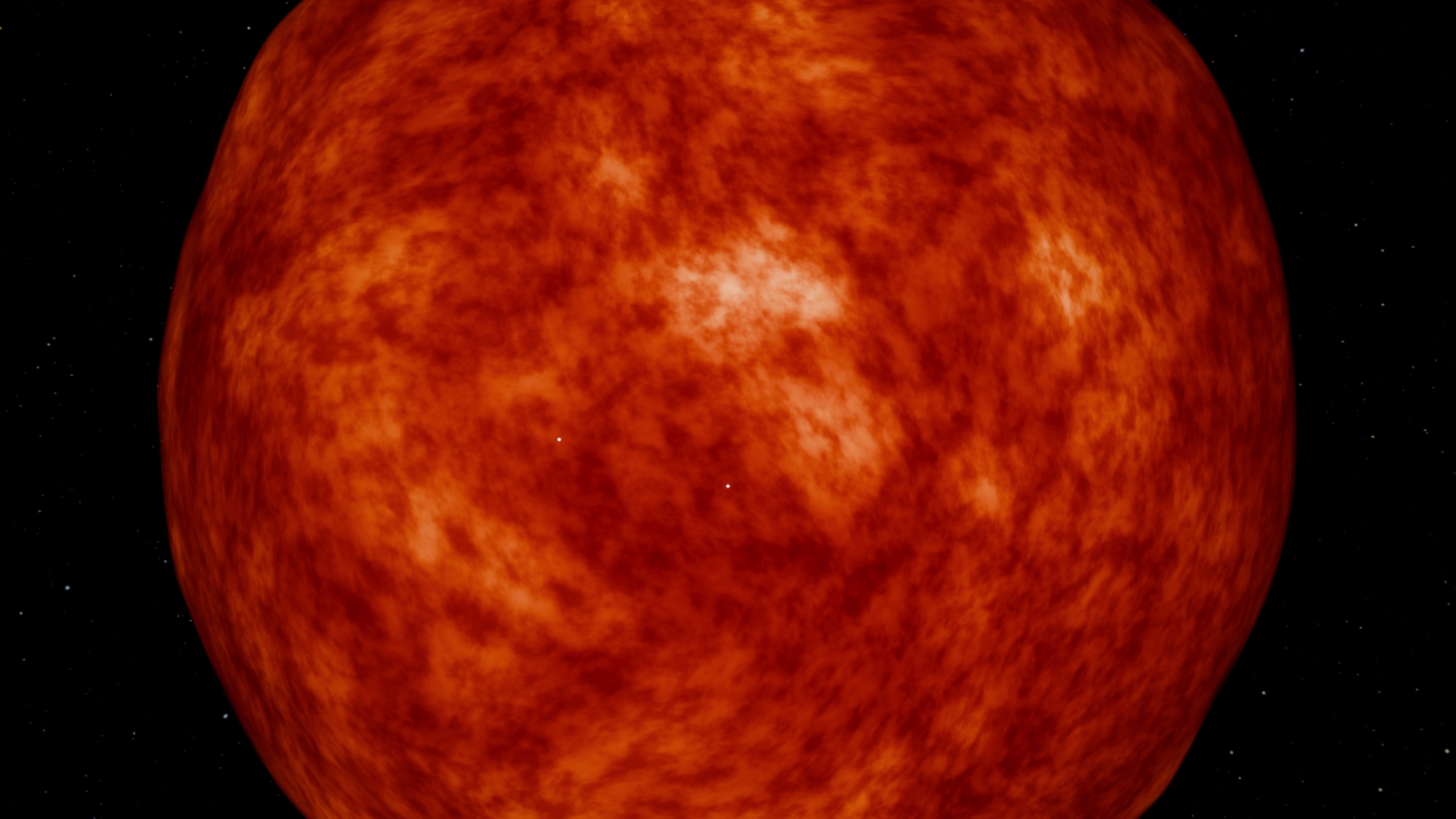
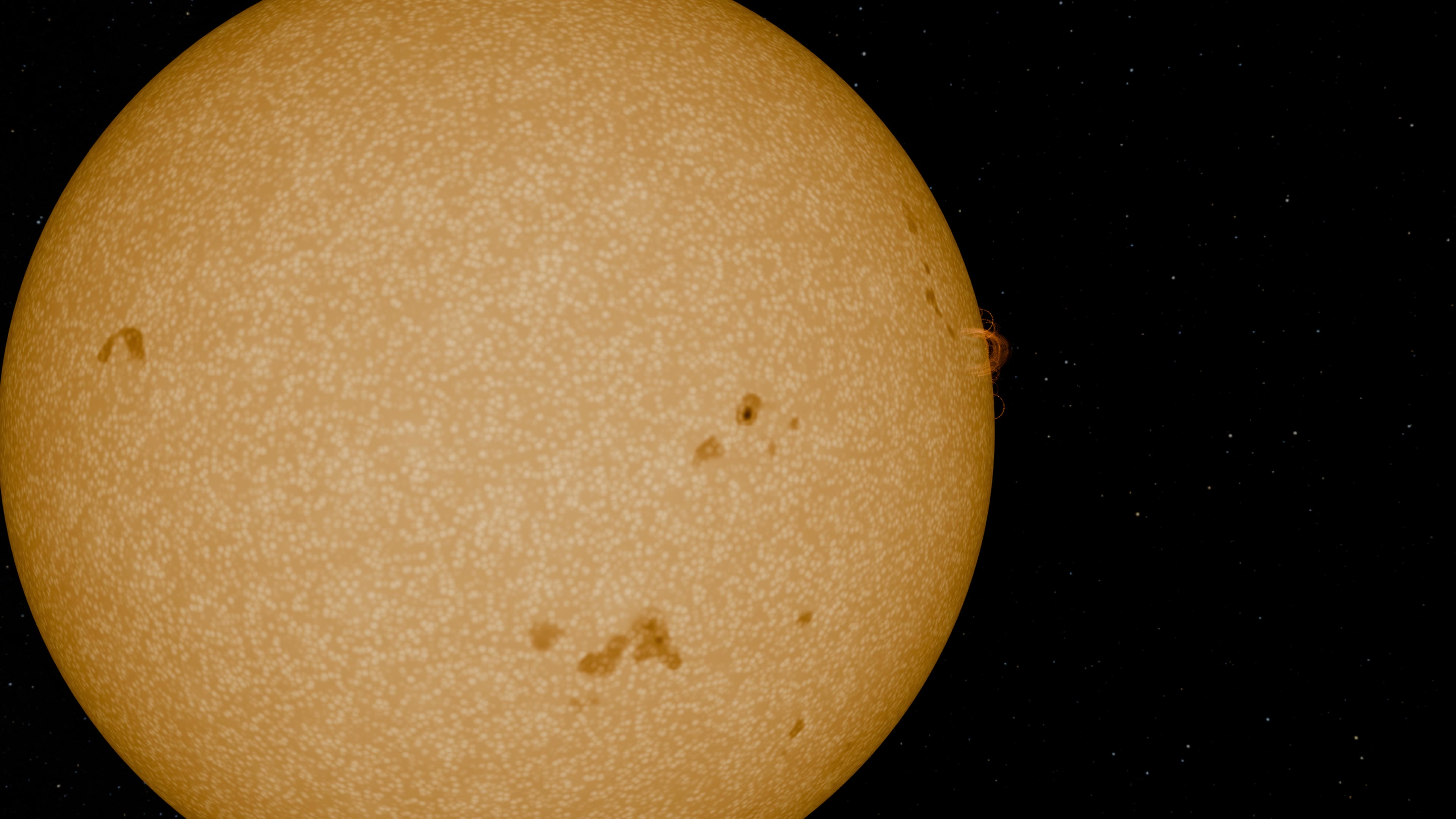
Last time we filled the Sun with Earths and Moons. This time we go bigger, and we find out the Sun is just an ordinary star. We start with small red dwarfs, then watch the Sun grow old, swell up and shrink into a white dwarf. We also meet a neutron star, a whole star crushed so small it could sit over a city.
Then the numbers get large fast. Betelgeuse could hold about 450 million Suns, and Stephenson 2-18 is so big that light would need almost three hours just to cross it. The sizes of the largest stars are estimates, and the video says so on screen.
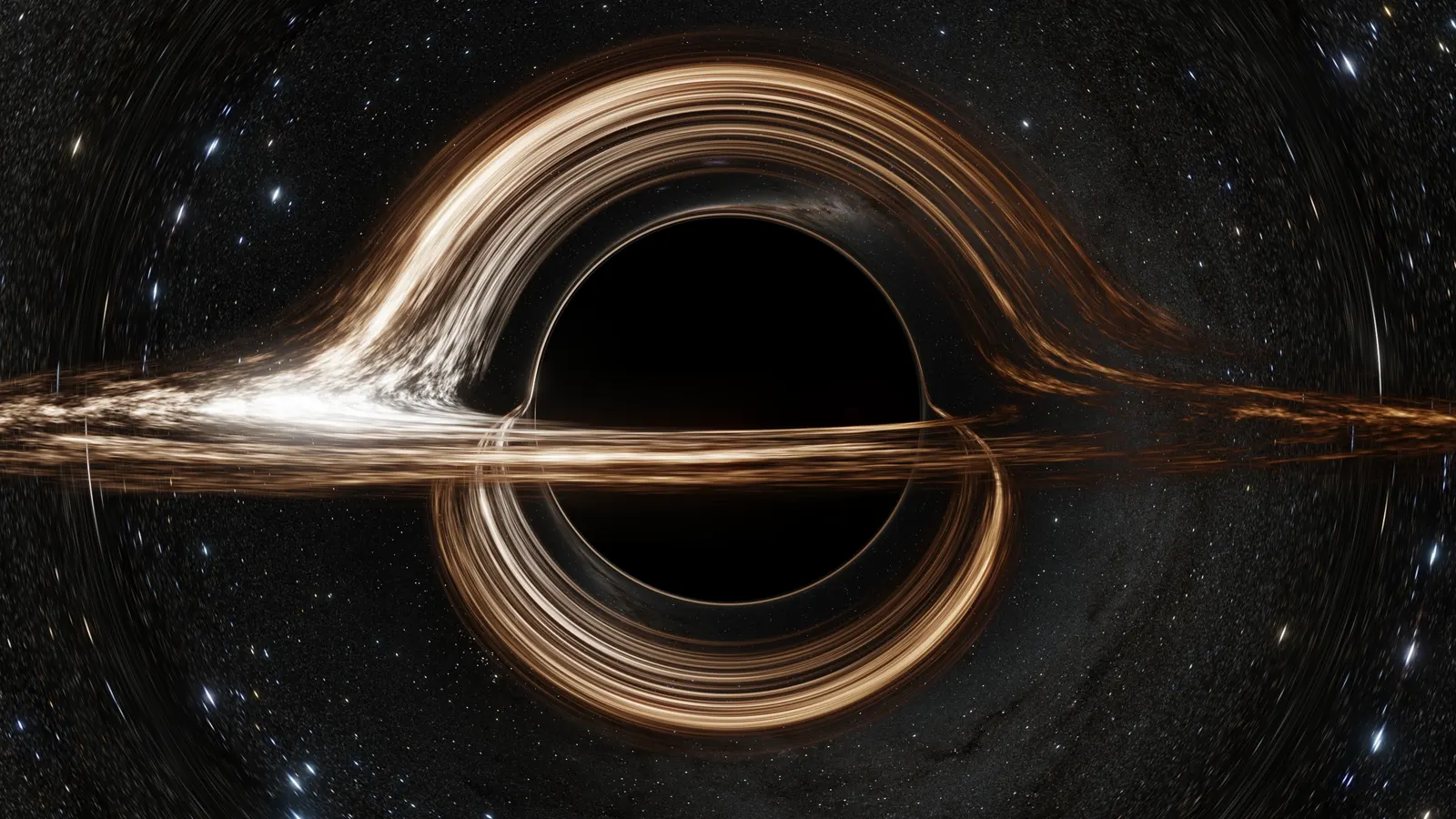
Finally, black holes. They do not suck things in like a vacuum cleaner, but their event horizons can be huge. Sagittarius A* holds about 6,000 Suns, M87* about 20 trillion, and TON 618 about 22 quadrillion.
Numbers to remember
273
Proxima Centauris would fit inside the Sun
Proxima is a red dwarf, barely bigger than Jupiter.
150 million
neutron stars would fit inside Earth
A neutron star is a whole star crushed into a ball about twenty-four kilometres across.
450 million
Suns would fit inside Betelgeuse
Star sizes this large are estimates, and they vary between studies.
6 km
across: a black hole with the Sun's mass
It would fit right over a city.
6,000
Suns would fit inside Sagittarius A*
It is the black hole at the centre of our galaxy, about four million times heavier than the Sun.
20 trillion
Suns would fit inside M87*
Its event horizon would swallow our whole solar system.
22 quadrillion
Suns would fit inside TON 618
Counting one Sun every second would take seven hundred million years.
Free 4K wallpapers
Frames from this video at 3840 by 2160. Free for your own desktop, tablet or classroom screen.
Chapters
- 0:00 Intro
- 0:28 Where stars come from
- 0:58 Leaving home: the solar system
- 2:21 Proxima Centauri
- 3:10 The Sun's future
- 3:58 White dwarfs
- 4:36 Supernova
- 5:03 A neutron star over the city
- 6:07 Sirius A
- 6:39 Arcturus
- 7:18 Rigel
- 7:45 R136a1, the heaviest star
- 8:26 Betelgeuse
- 9:21 If Betelgeuse were our Sun
- 9:41 The biggest stars
- 11:09 Black holes
- 11:48 A black hole over the city
- 12:25 Sagittarius A*, M87* and TON 618
- 13:49 The final scale check
Keep exploring
- NASA: Black holes
- NASA: Stars
- ESO: The first image of a black hole (M87*)
- ESA/Hubble: Pillars of Creation
Sources and credits
- Pillars of Creation: NASA, ESA/Hubble and the Hubble Heritage Team (CC BY 4.0)
- M87* image: EHT Collaboration (CC BY 4.0)
- Star map: NASA/Goddard Space Flight Center Scientific Visualization Studio (Deep Star Maps 2020)
- Planet textures: Solar System Scope (CC BY 4.0)
- Jupiter: NASA, ESA, A.A. Simon (GSFC), M.H. Wong (UC Berkeley) and the OPAL team (CC BY 4.0)
- NASA/USGS planetary maps
- City: Epic Games City Sample (Unreal Engine)
- Star sizes for the largest stars are estimates; they vary between studies.
- Visuals rendered in Blender and Unreal Engine. Narration voice: AI text-to-speech.